

It's estimated that 5-16% of the UK population is impacted by symptoms of sensory processing disorder (SPD). This figure increases significantly in individuals with neurodevelopmental disorders such as Autism, and ADHD, of which sensory processing difficulties are a common feature.
The increasingly common addition of sensory equipment in school classrooms, educational settings at all levels, and healthcare environments is key to supporting children and adults to engage with and regulate their sensory needs, reduce their anxiety/frustration, improve their focus, and enhance their learning.
In this blog, we’ll explore 7 kinds of sensory products perfect for schools, educational institutions and relevant healthcare environments.
List of Top 7 Sensory Equipment Must-Haves
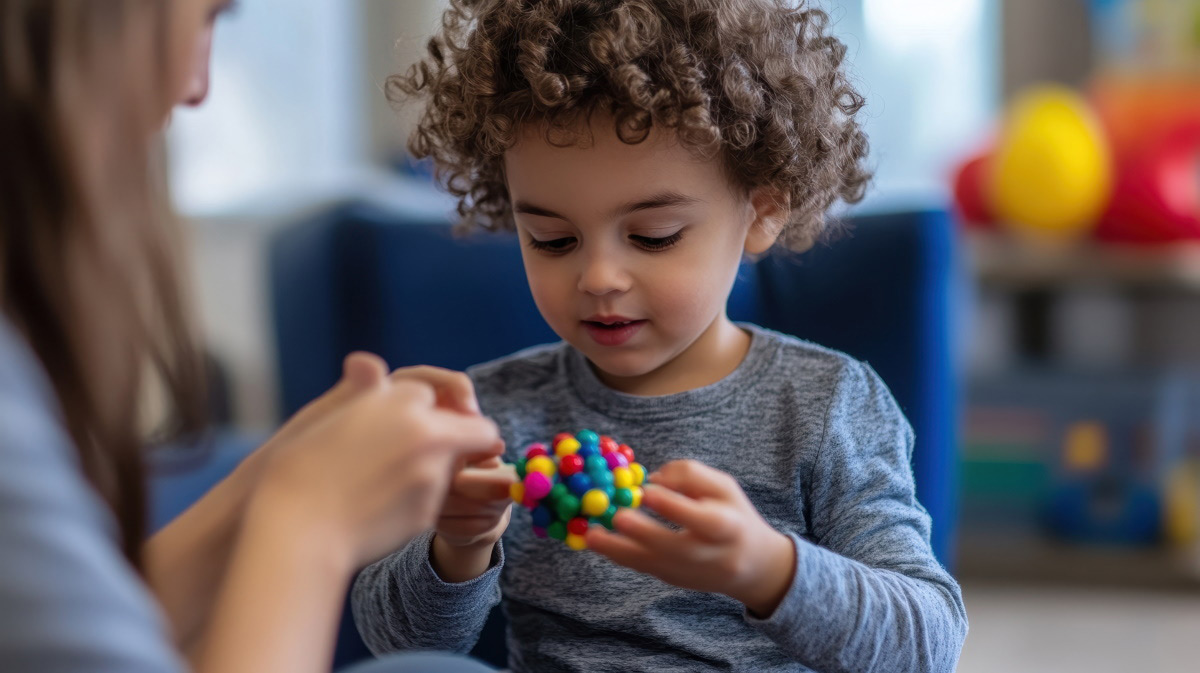
7) Fidget Toys
Small, affordable to acquire and easy to store, fidget toys provide a consistent, reliable and comforting sensory experience that helps children and adults overwhelmed by the sensory input around them, to manage stress and anxiety, relax, focus their mind, and improve/regulate their mood. This makes a stock of fidget toys a must-have addition to any education and healthcare setting.
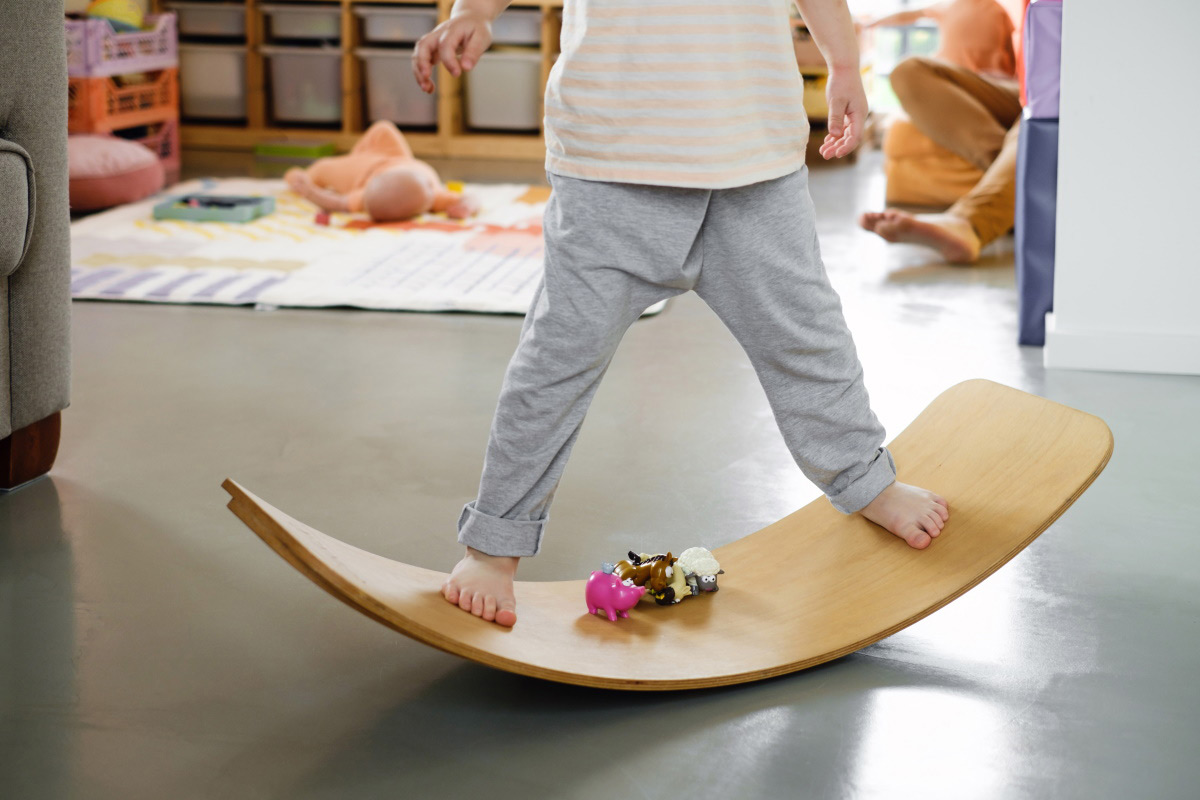
6) Balance Boards & Body Rockers
Balance Boards
Some children with Autism and SPD struggle with balance and coordination. Balance boards can be an invaluable piece of sensory equipment for educational and therapeutic settings, helping to support childrens’ balance and coordination, face their fears of activities or materials that impact their ability to maintain a balanced position, and improve their confidence. They’re also an excellent tool to use under the desk, for school students of all ages with fidgety feet, and those who respond better to subtle movement when they work.
Body Rockers
Body rockers are similarly useful tools for healthcare settings and early learning and primary schools, that provide proprioceptive (body position) and vestibular (movement) sensory stimulation, to help develop motor skills and bodily awareness. The rocking nature of these products also serve to relax and soothe the user, maximising their benefits in therapeutic applications.
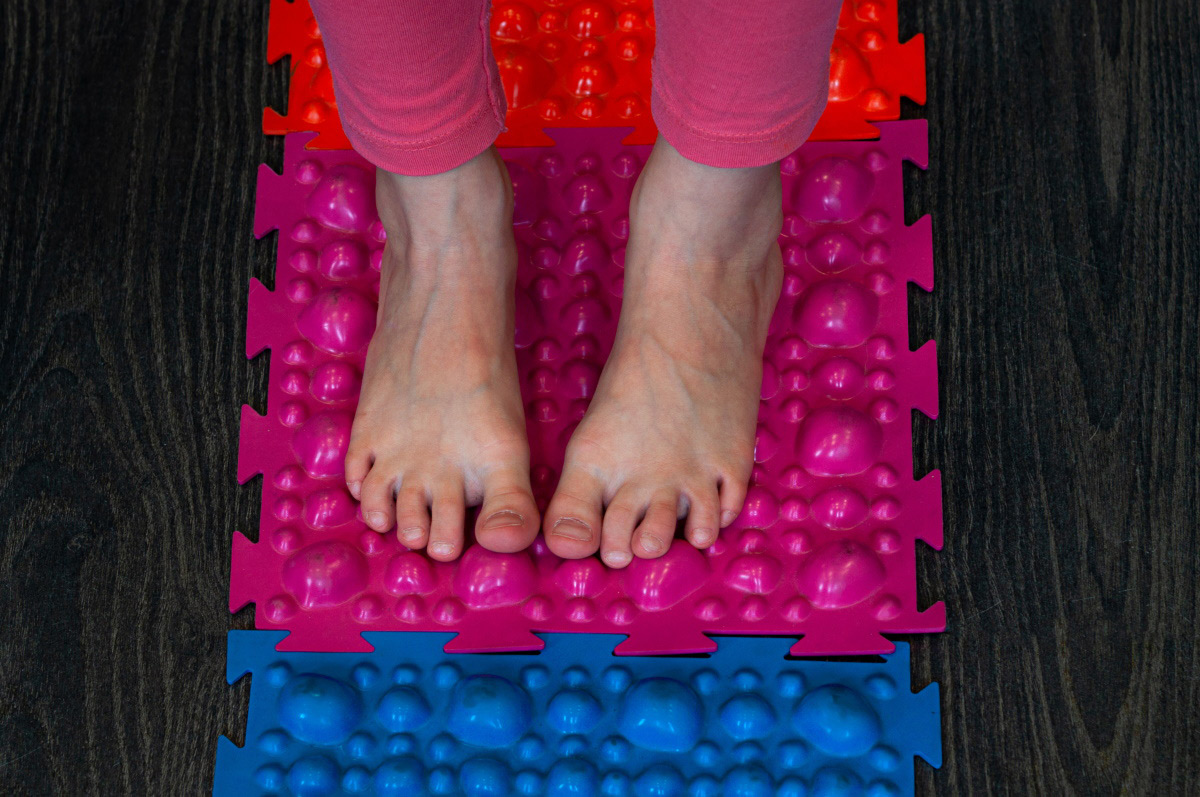
5) Sensory Mats & Wall Panels
Equally at home in learning and healthcare settings, sensory play mats are a great solution to help develop sensory integration, motor skills, balance and coordination.
Sensory Integration - By encouraging children to engage with a range of textures, and stimulating the proprioceptive (Body position) and vestibular (movement) senses via the feet, sensory mats develop childrens’ tactile sense.
Motor Skills - This key piece of sensory equipment offers a safe, fun way for children with Autism, SPD, and/or ADHD to practise their motor skills, develop their strength and endurance, and improve bodily awareness.
Balance & Coordination - The variety of materials and textures featured on sensory mats challenge childrens’ balance and coordination, and provide the opportunity for children to practise adjusting their movements to each surface, to help develop these skills.
Sensory wall panels do the same thing, via the hands, and are a similarly worthy addition to your space.

4) Sensory Lighting
Sensory lighting stimulates the senses via visual, and in some cases, tactile sensory input.
By exposing the user to a range of engaging and relaxing lighting effects (from muted to bright, from still to pulsing, in a range of colours), sensory lighting helps to calm the mind and body, reduce anxiety and stress, lift the mood, develop motor functions, and improve focus, communication and social skills.
This essential type of sensory equipment can be implemented across therapeutic and appropriate school spaces via Fiber Optic lights (light curtains, showers, tails, bubble tubes), and sensory ceiling panels.
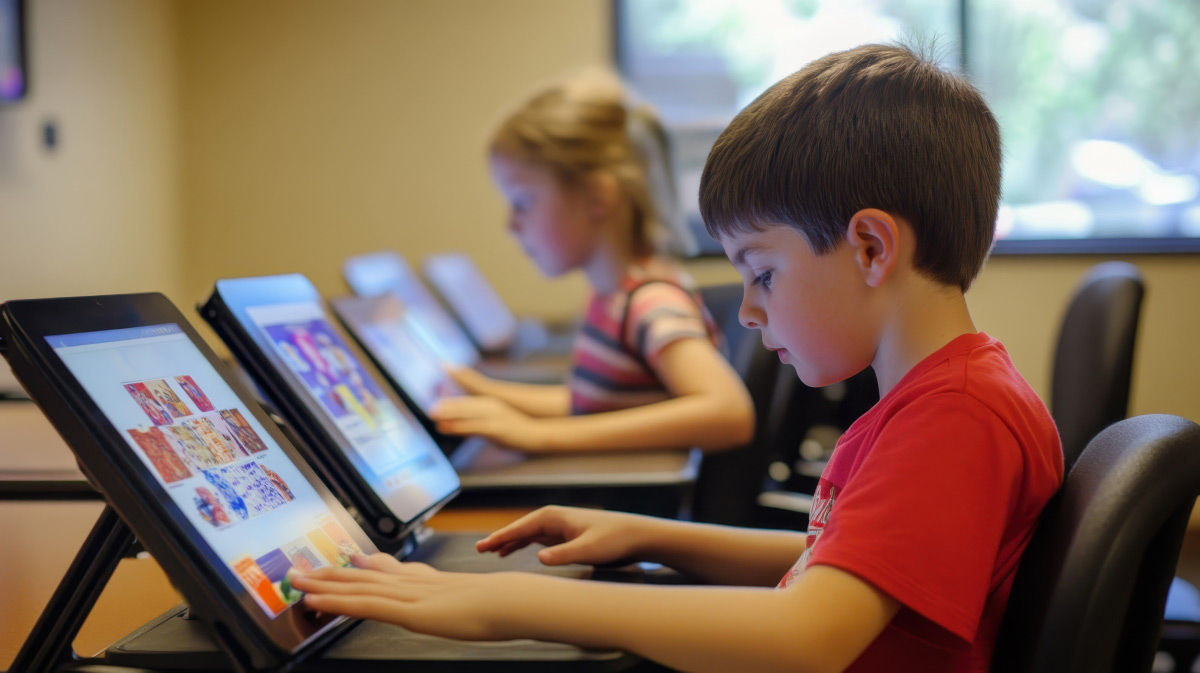
3) Interactive Touch Screens, Panels & Projectors
Interactive Touch Screens
Interactive touch screens (both in wall and table form) are a worthy addition to therapeutic and educational settings, to support children and adults with autism and sensory difficulties, for whom these products offer the opportunity to learn and communicate in new ways, make connections with others, and develop cognitive function.
They’re also equally at home in care homes, for residents with dementia, offering the same benefits, in addition to helping to develop cognitive function.
Interactive Electronic Wall Panels
Electronic sensory wall panels use colour, light, sound, and in some cases respond to sounds made by the user, to stimulate and encourage engagement with the senses, and develop communication, visual tracking, motor skills, coordination and understanding of cause and effect.
Sensory Projectors
Sensory projectors are also excellent pieces of sensory equipment that enable you to provide immersive environments within your learning or therapeutic space, that help to encourage discovery, create enjoyable learning opportunities, and help to develop the senses.
Other projection products offer more calming benefits, and help to relax, distract and support sleep.

2) Sensory Dens & Cabinets
When overwhelmed by sensory input and busy spaces, having a designated, predictable sensory space, can help to reduce the anxiety of children with sensory processing difficulties, helping them to feel calm and safely contained.
These sensory dens can be anything you’d like, from little teepees or tents filled with your choice of fidget toys, sensory lighting, floor cushions (like those in our range), pillows, blankets and reading/writing/drawing books, to commercially available dens, which span simple designs to elaborate, fully kitted out sensory soft play models.
On the other end of the product spectrum are sensory cabinets, which offer a private, designated space for sensory play, creative activities, reading, reflecting, or calming down/re-centuring, and often feature integrated LED lighting to help calm users and stimulate the visual senses.
Both kinds of sensory equipment are excellent immersive, multisensory solutions to implement across education and healthcare settings, and are available at a wide range of price ranges.
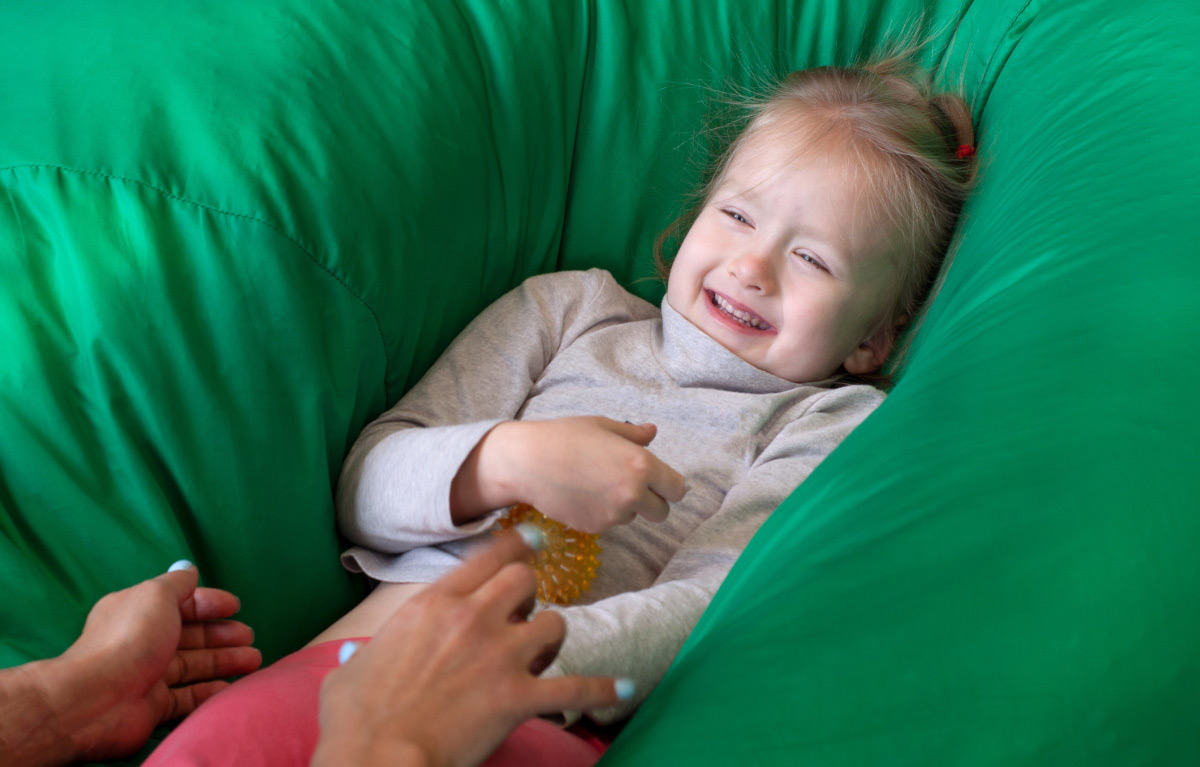
1) Sensory Seating
Sensory Bean Bags for Education & Healthcare Settings
Sensory bean bags might be the ultimate in sensory seating. At GreatBeanBags, we’ve been manufacturing market-leading sensory bean bags (in Nottingham UK) for many years. Our sensory models are sold via third party resellers, we supply them to education and healthcare institutions of all kinds across the UK, and direct to parents for use at home.
Essential sensory equipment for schools and therapeutic environments, sensory bean bags provide deep touch pressure input to support body awareness and proprioceptive feedback. They envelop and mould around the body to create even pressure input through the body to regulate the user’s sensory responses, and their soft low-noise fabrics offer both tactile and auditory sensory benefits.
The supremely comfortable nature of these bean bags supports relaxation and decompression, and their lightweight, plastic-free construction makes them child-safe, floor friendly, and highly portable so they can be used for students and patients of all ages, and moved around your premises as required.
Our sensory models are available in 13 colours, and a range of sizes, so you can create the perfect models for your unique application.
Wishing you a successful sensory shop! We hope this has helped you to identify the right sensory equipment for your organisational needs. If we can support you with sensory bean bag seating or floor cushions, contact our team today.


